Solutions

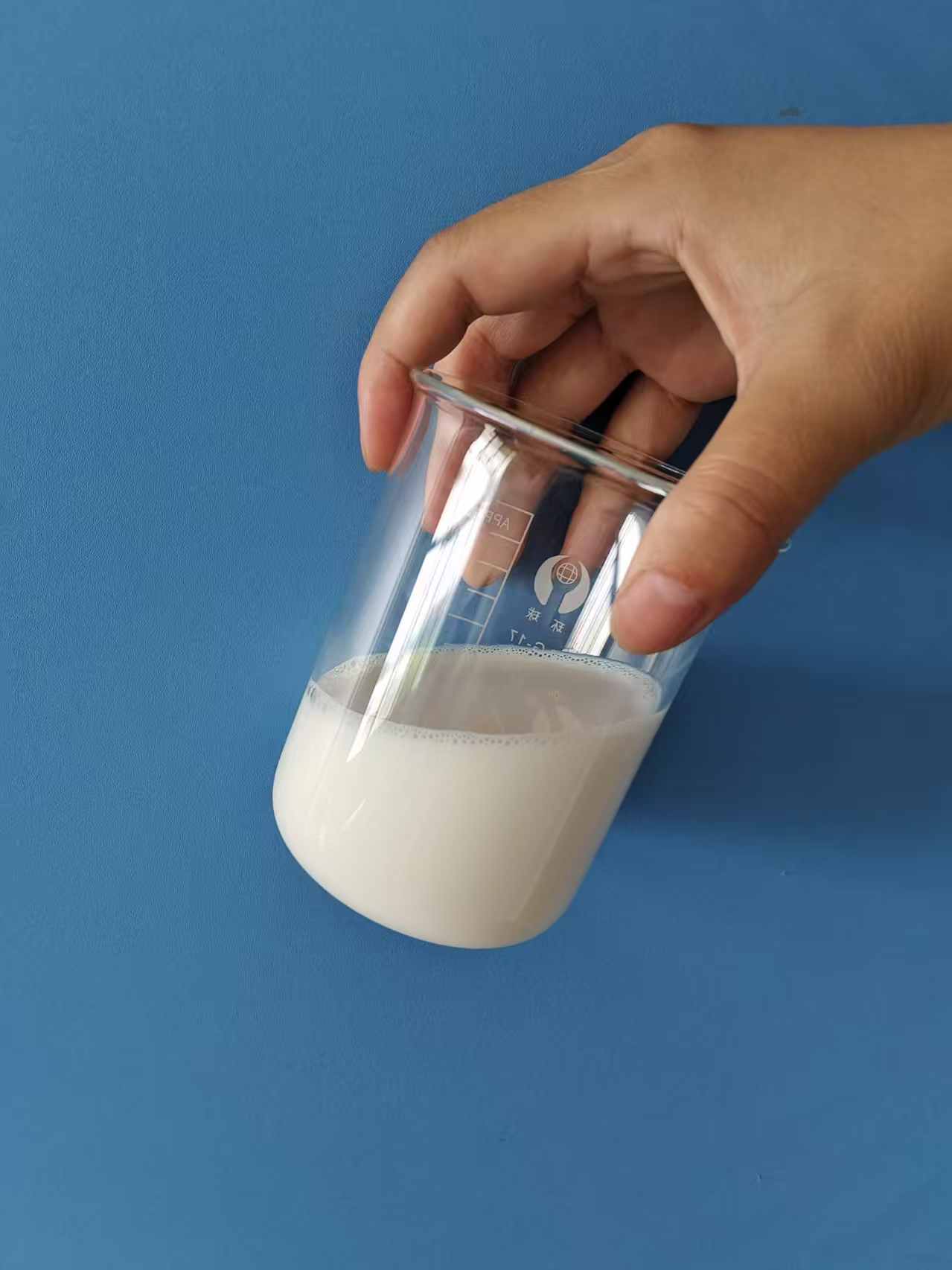
Application of Water-based Mold Release Agents

Water-based mold release agents offer numerous advantages, including excellent cooling effect, no residue buildup, improved casting surface quality, reduced internal porosity, as well as safe use, cleanliness and pollution-free characteristics, making them widely applied in die-casting processes. With increasing environmental requirements, water-based mold release agents have also found good application in the construction industry.
Aluminum Alloy Mold Release Agents
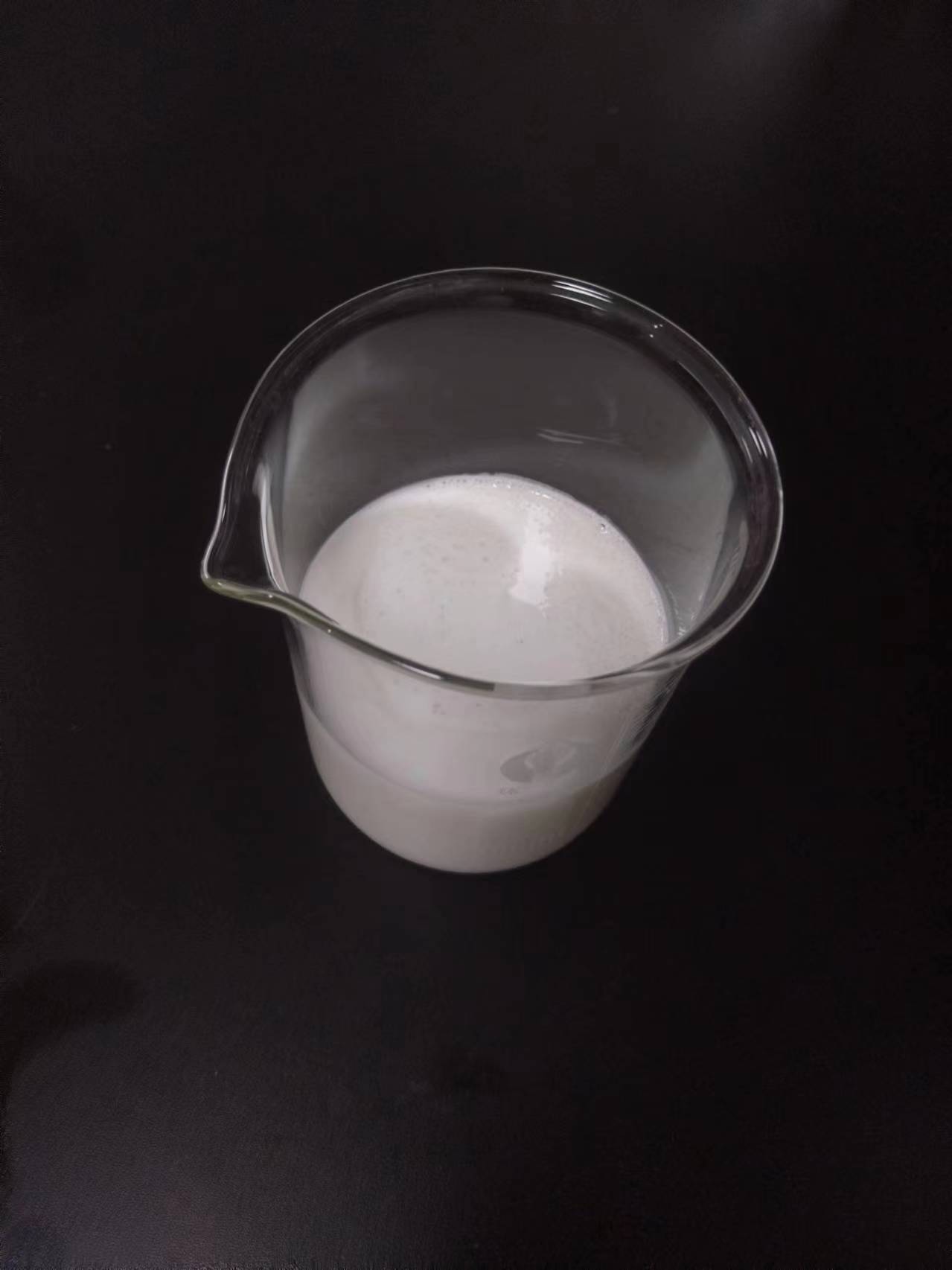
Other Mold Release Agents
Application in Metalworking

Metal machining generally includes two types: metal removal and metal forming. The former involves removing metal from the workpiece using cutting tools, while the latter uses molds to plastically deform metal under stress, such as rolling, drawing, stamping, and extrusion.
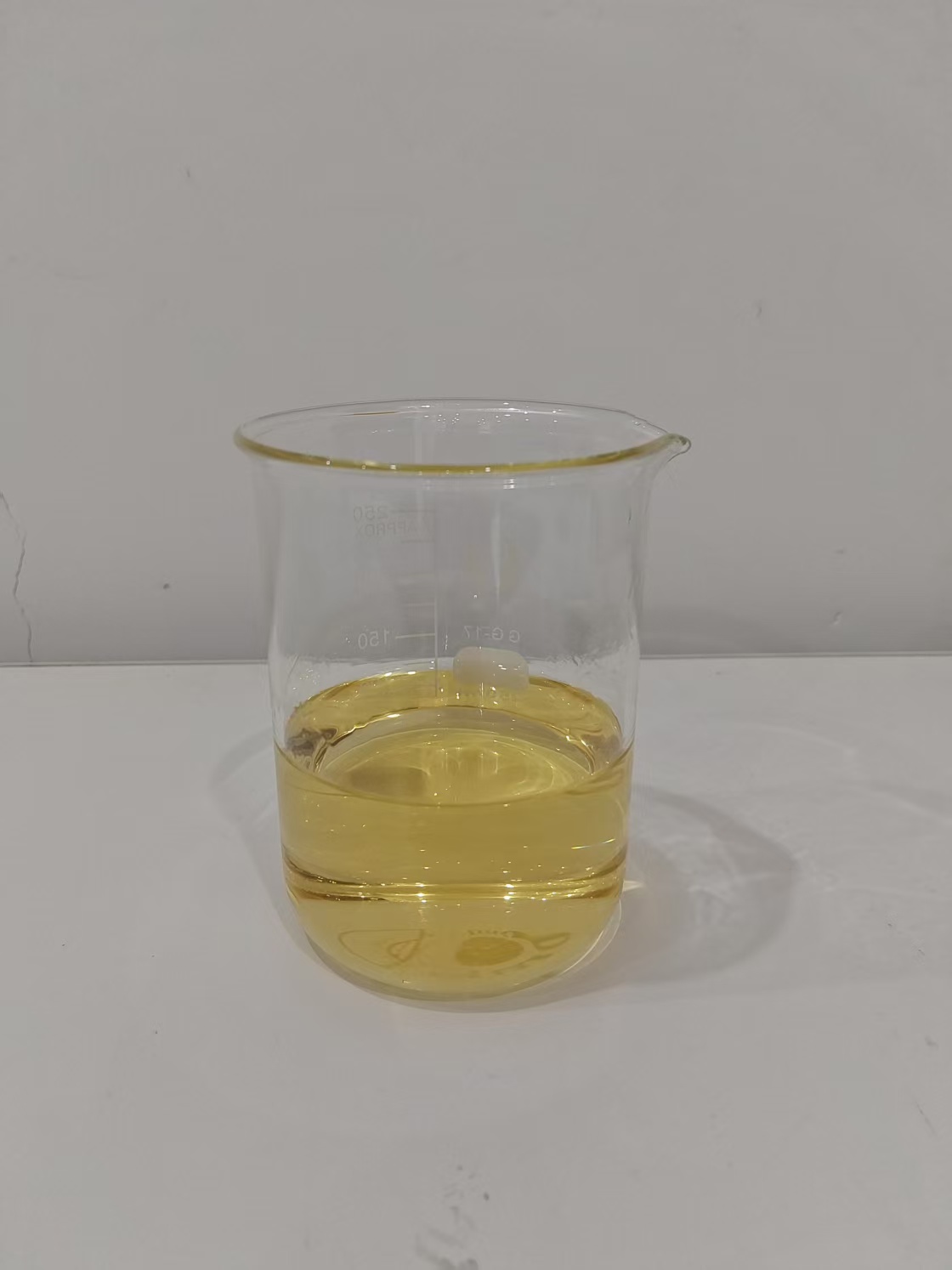
Lubricants used for metal removal are typically called cutting fluids, and those for metal forming are known as metalworking process fluids. The term “metalworking fluids” broadly covers lubricants for both types of operations. As a result, metalworking cutting fluids, stamping and drawing oils, etc., are widely used in metalworking.
Water-soluble Cutting Fluid
Non-water-soluble Cutting Fluid
Cleaning and Protection of Metals

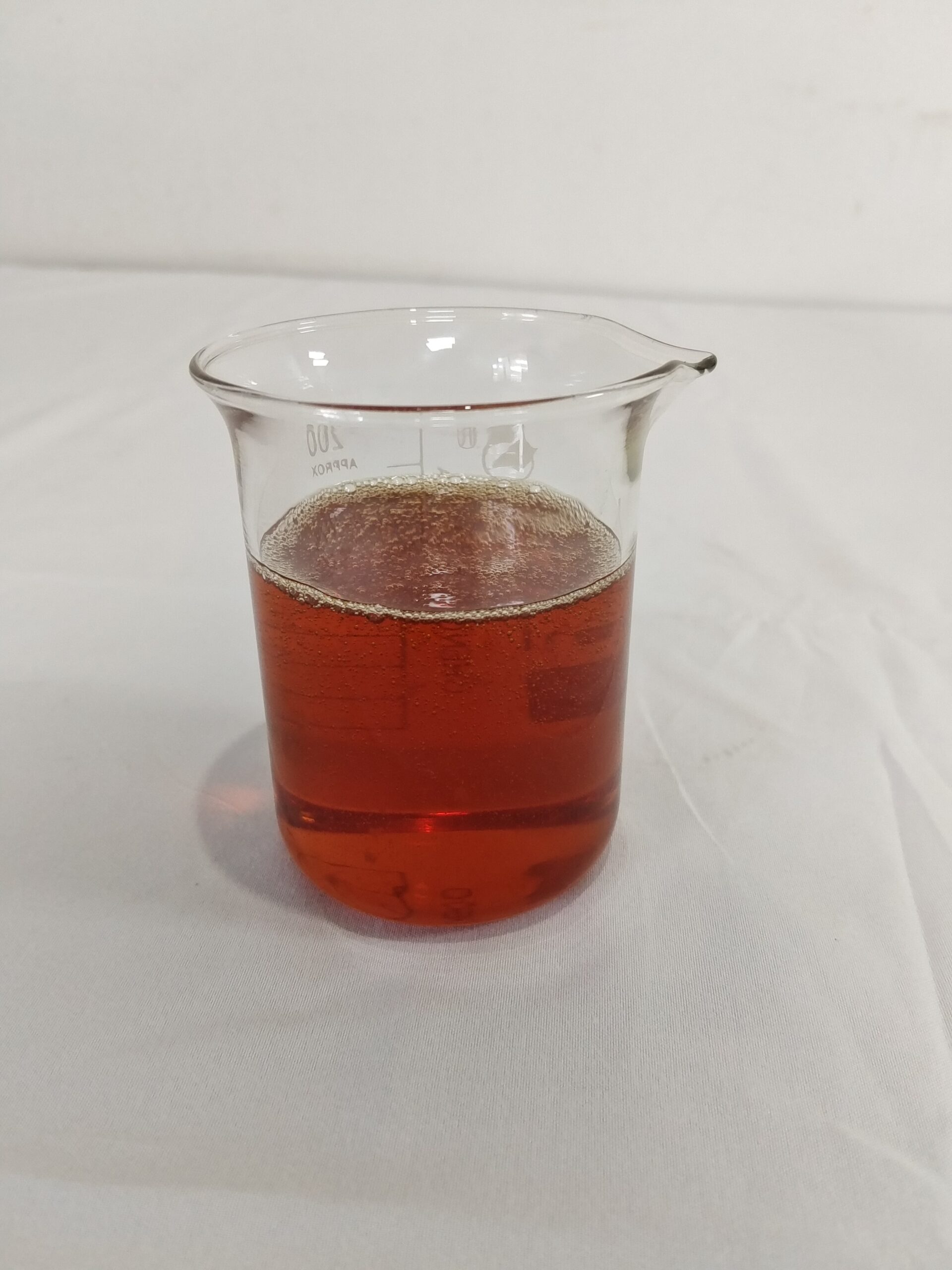
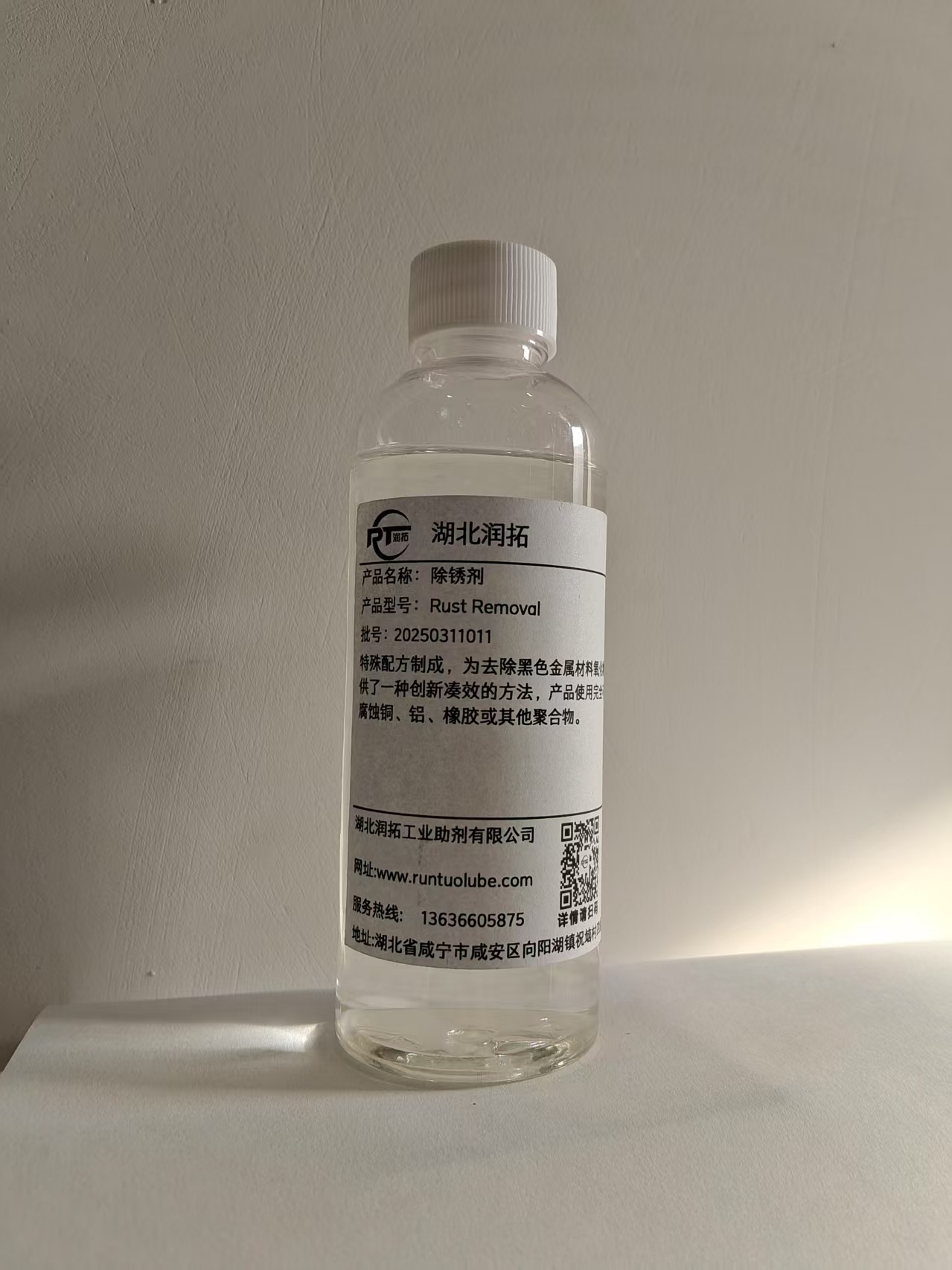
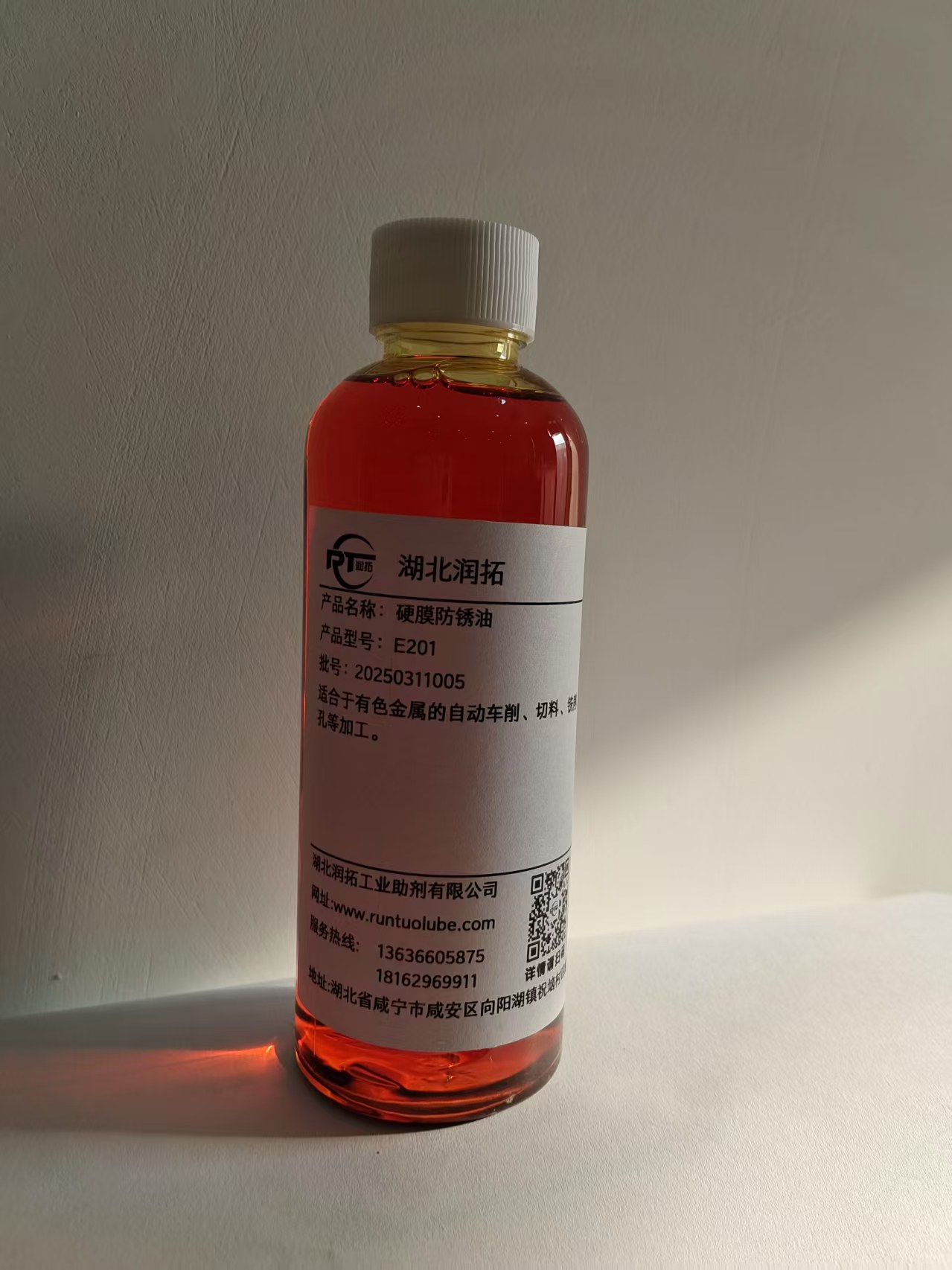
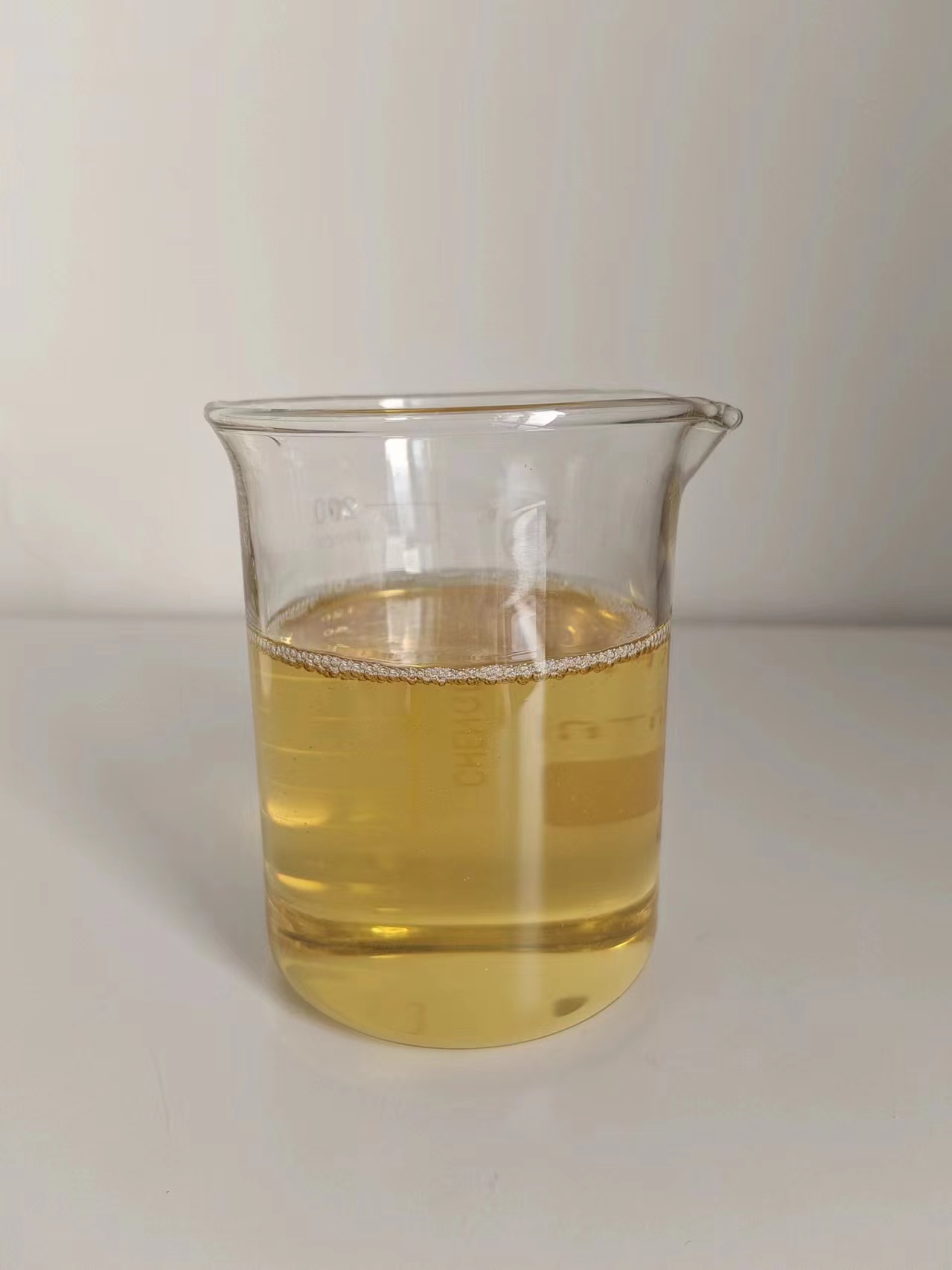
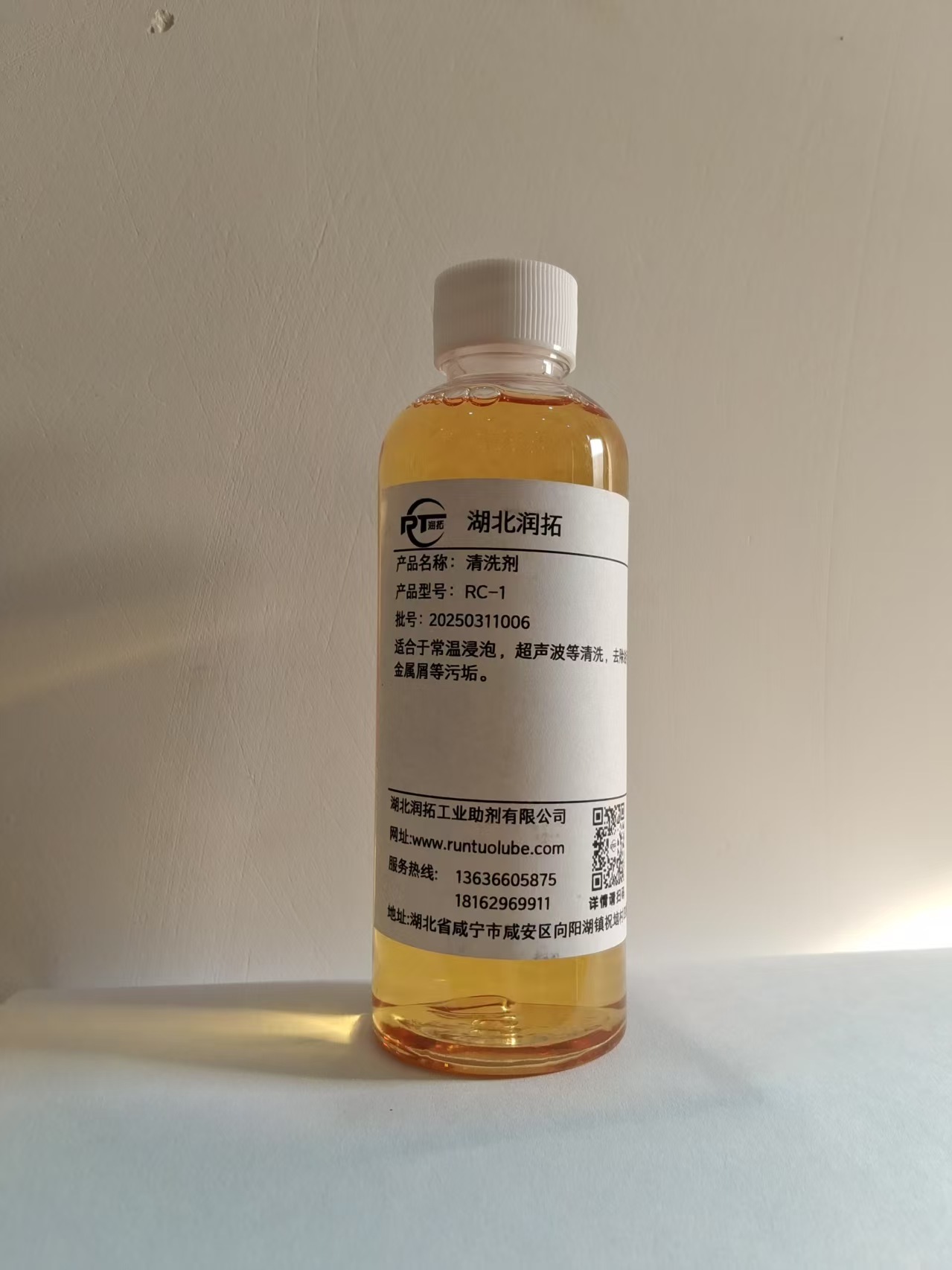
Faced with increasingly stringent regulatory pressures, the use of traditional solvents and strong alkalis has decreased. Correspondingly, the use of water-based or non-volatile solvent cleaners and degreasers is on the rise. In terms of cleaning performance, water-based metal cleaning agent technology is nearly mature. The development direction of general-purpose water-based metal cleaning agents focuses on safe operation, long service life, low emissions, low-temperature cleaning capability, low energy consumption, and high effectiveness.

Cleaner
Rust Remover
Rust Preventive Oil
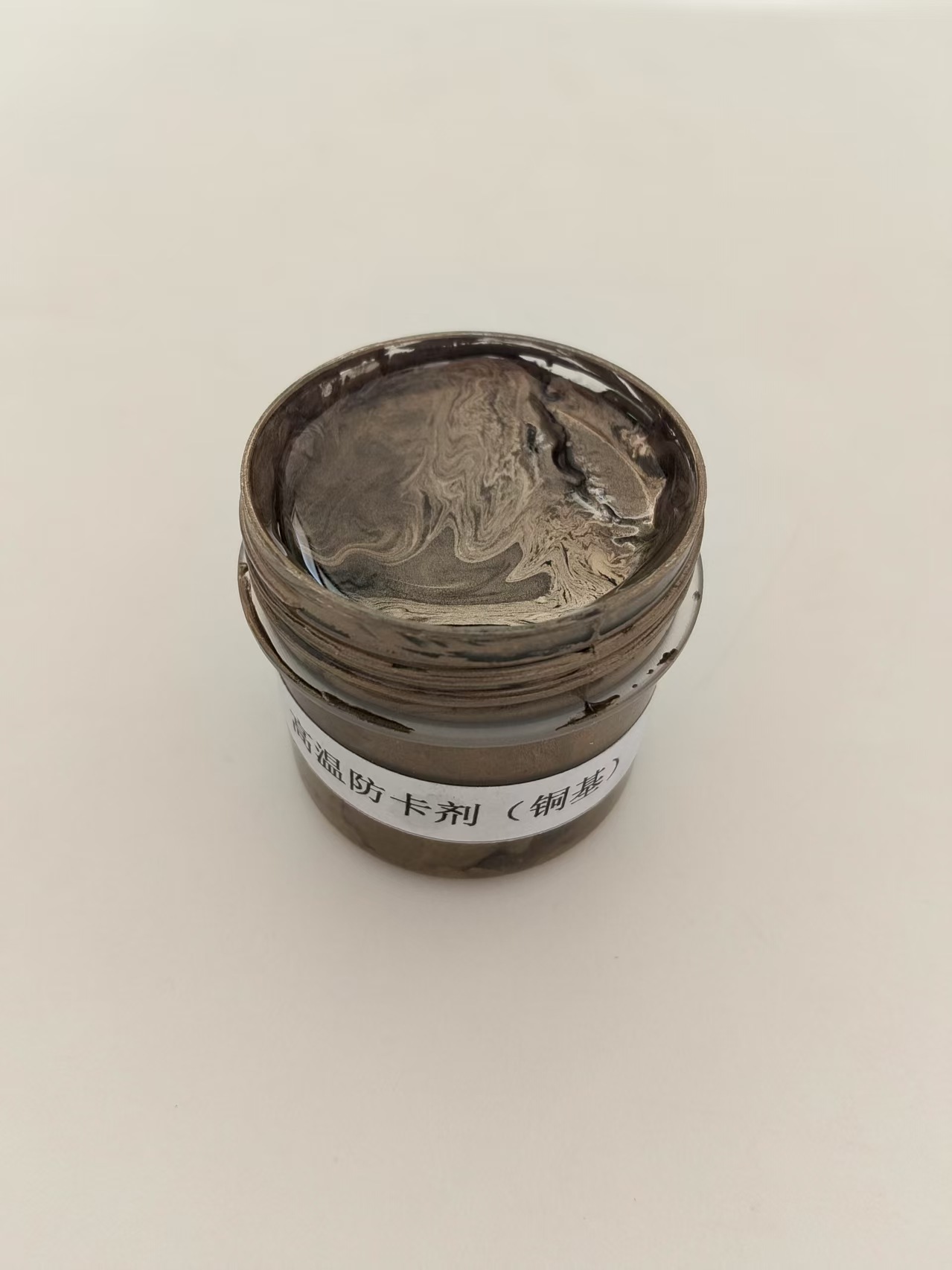
Application in Equipment Component Assembly

To ensure the smooth operation and reliability of equipment, reduce wear and friction of mechanical components, and lower mechanical noise, special-purpose lubricating greases have been widely applied.

Lubricating Grease

Application in Equipment Operation

With the development of automation and intelligence in equipment, equipment precision has become increasingly high, and requirements for equipment lubricants have become more stringent, leading to great emphasis on the use of industrial equipment oils.

Equipment Lubricant Oil